Slab Jacking in Denver, CO
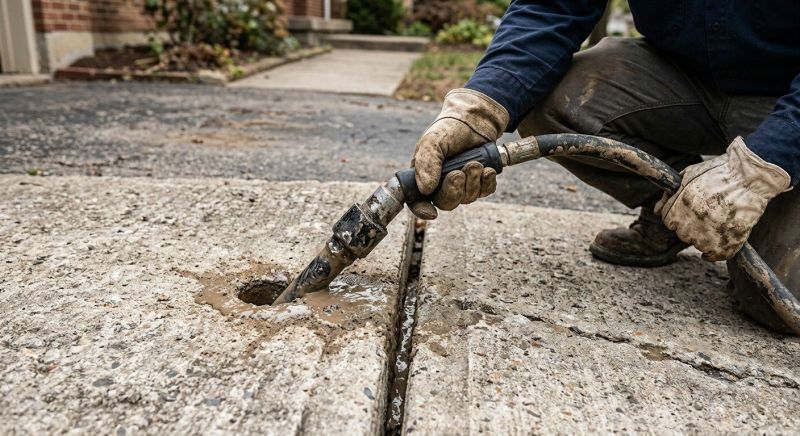
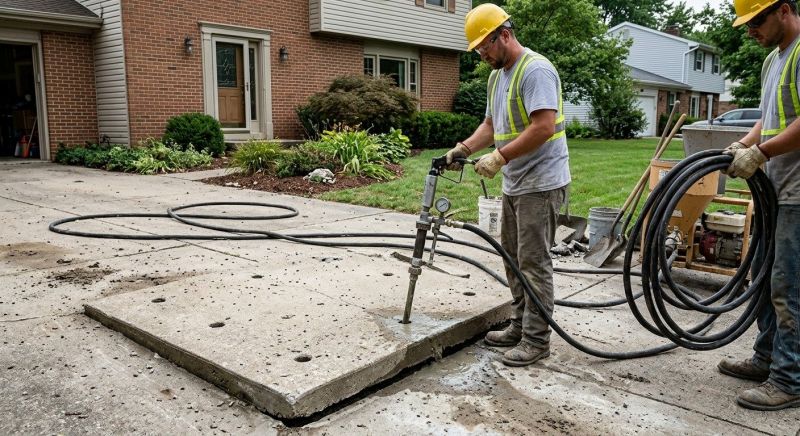
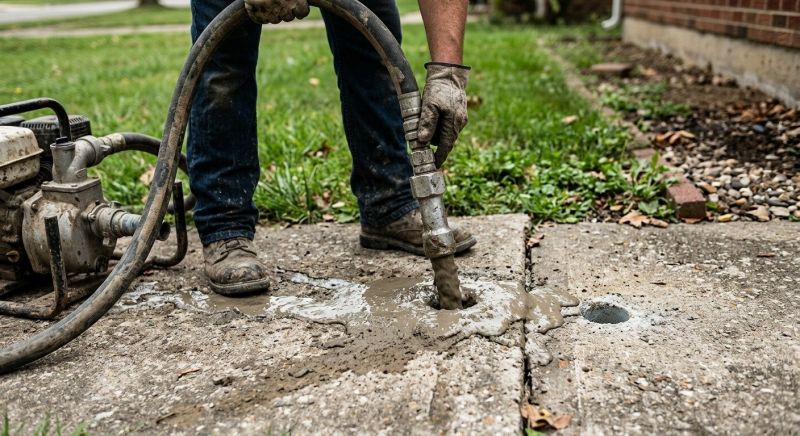
Slab jacking is a repair method used to lift and stabilize sunken or uneven concrete slabs, such as driveways, sidewalks, patios, and garage floors. This process involves injecting a specialized grout beneath the affected slab to raise it back to its proper level, helping to restore the surface’s appearance and functionality. Homeowners often request slab jacking when they notice cracks, unevenness, or a feeling of instability in their concrete surfaces, aiming to prevent further damage and improve safety around their property.
Before requesting slab jacking services, property owners typically want to understand the extent of the damage, the causes of the sinking, and whether the existing slab can be effectively lifted and stabilized. It’s also important to consider the type of soil conditions and the age of the concrete, as these factors influence the success of the repair. Proper assessment ensures that the right approach is taken to restore the surface’s integrity and prevent future settling or cracking.
Many property owners in Denver, CO look into Slab Jacking for repairs, replacements, upgrades, and appearance-related improvements.
Benefits Of Slab Jacking
This technique can lift and stabilize uneven concrete slabs efficiently.
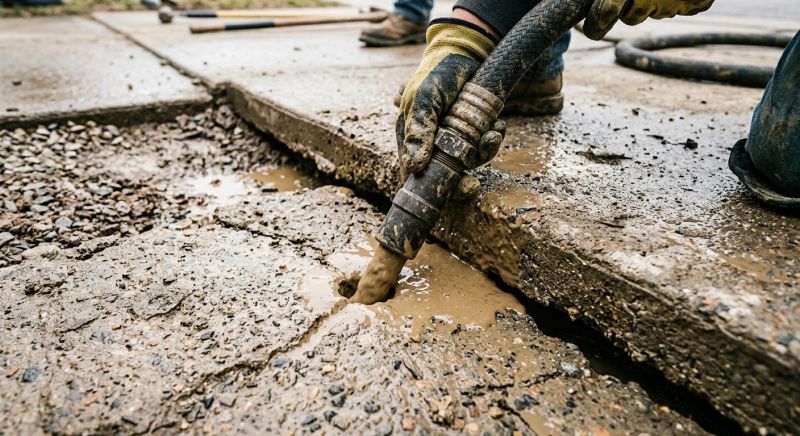
Common Projects For Slab Jacking
It is often used to repair driveways, sidewalks, and garage floors showing settling or cracking.
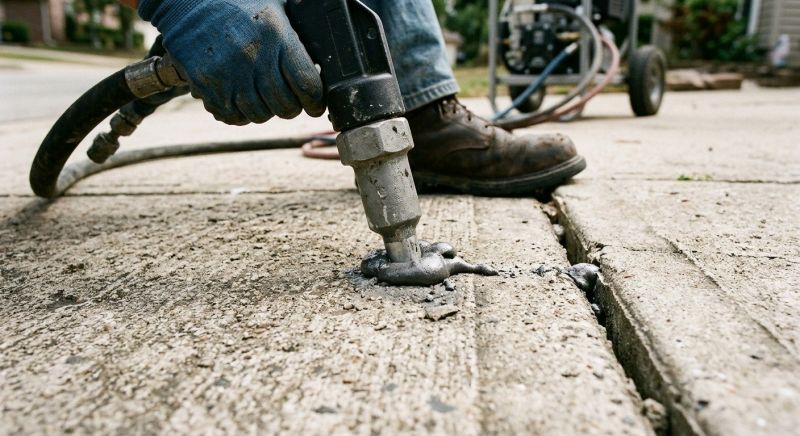
Signs You Need Slab Jacking
Visible cracks, uneven surfaces, or water pooling are typical indicators of slab settlement issues in denver properties.
Slab Jacking in Denver, CO

Slab jacking is a repair method used to lift and stabilize sunken or uneven concrete slabs, such as driveways, sidewalks, patios, and garage floors. This process involves injecting a specialized grout beneath the affected slab to raise it back to its proper level, helping to restore the surface’s appearance and functionality. Homeowners often request slab jacking when they notice cracks, unevenness, or a feeling of instability in their concrete surfaces, aiming to prevent further damage and improve safety around their property.
Before requesting slab jacking services, property owners typically want to understand the extent of the damage, the causes of the sinking, and whether the existing slab can be effectively lifted and stabilized. It’s also important to consider the type of soil conditions and the age of the concrete, as these factors influence the success of the repair. Proper assessment ensures that the right approach is taken to restore the surface’s integrity and prevent future settling or cracking.
Many property owners in Denver, CO look into Slab Jacking for repairs, replacements, upgrades, and appearance-related improvements.
Common Slab Jacking Jobs
Concrete slab leveling - restores the stability and appearance of sunken or uneven concrete surfaces.
Driveway repair - addresses cracks and uneven sections caused by soil settlement or shifting.
Patio and walkway leveling - improves safety and aesthetics by correcting uneven outdoor surfaces.
Garage floor leveling - prevents tripping hazards and structural issues in garage spaces.
Basement and foundation support - helps stabilize concrete slabs that impact the integrity of the structure.
Industrial and commercial slabs - enhances safety and usability of large concrete areas in commercial properties.
Slab Jacking Questions
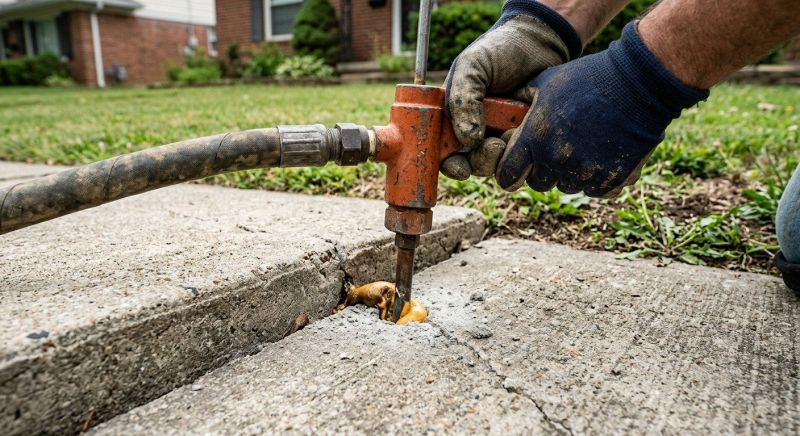
What is slab jacking? Slab jacking is a process that lifts and stabilizes uneven concrete slabs by injecting a specialized grout beneath the surface.
Which projects are suitable for slab jacking? It is commonly used for leveling driveways, sidewalks, patios, and garage floors with uneven or sinking concrete.
How does slab jacking improve property safety? By leveling uneven surfaces, slab jacking reduces tripping hazards and helps prevent further damage to the concrete.
What are the signs that slab jacking may be needed? Indicators include cracked or uneven concrete, water pooling, or noticeable sinking in specific areas.
Request Slab Jacking in Denver, CO
Use the quote form on this page to share the basics of your project and request more information for the type of work you need.